How does it work with Linux and a RPi music server running
forked-daapd.forked-daapd.

cgroups (control groups) have been around for a long time providing varioius functions for resource management and the ability to segregate workloads with their own constraints. cgroups have provided the basis for container engines such as docker that has become so aggressively adopted in enterprises over the last few years.cgroups are enabled on all contemporary linuxes with systemd being the API to manage them; the system will manage various cgroups organised in:systemd-cgls where we will typically see system services under the system slice users services, including the segregation for user sessions in another. Encapsulates scopes and services.sshd, that are usual started based on configuration in unit files cgroup and resource controls be useful for a developer?mpv for watching movies files: libOpenCL.so.1: no version information available (required by /lib/libavfilter.so...
gparted for the task; whilst gparted is a great tool, it can fail with obscure error messages when trying to shrink partitions. This is how we can do this the old fashioned way.
hdparm was correct. But how to determine what was the cause of activity to the disk?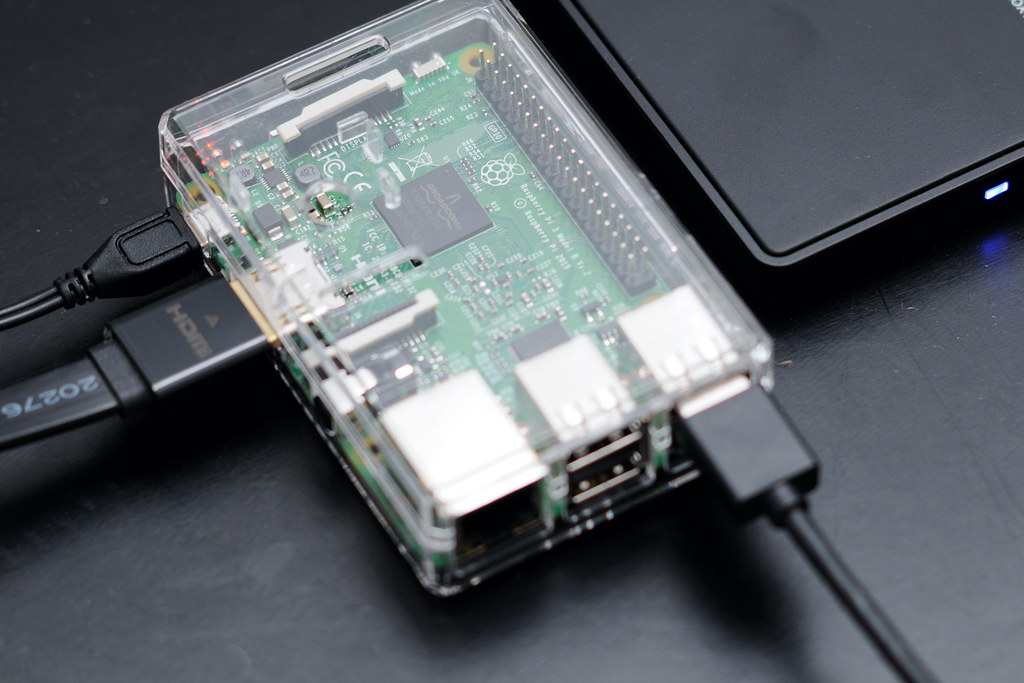

ffmpeg video processing on an old linux/machine, like a i7 860, running Fedora26 can be painful if you only rely on the CPU. With a recent Nvidia card supporting NVENC (GeForce 6/7/8/10.x) ffmpeg can be compiled directly to support these cards.